|
Your GP will be able to assess your child and
help decide if any specialist investigation or treatment is
required. If necessary, they will refer your child to the local
paediatrician or child and adolescent mental health service
(CAMHS),
Specialists, such as psychiatrists, can help
identify the psychological factors that may be contributing to the
symptoms, and can also help to distinguish unexplained physical
symptoms from other mental health problems, such as depression.
Talking treatments can help you and your child
to manage unexplained physical symptoms better. Medication can also
play a part, particularly in treating any anxiety and depression
that they may also be suffering from.
|
A planned approach
to treat the symptoms is important. The aim of the treatment is to
help your child to recover gradually by creating more effective
ways of coping with the symptoms, and getting back to a normal
daily routine.
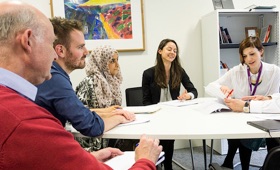
Everyone needs to work together as a team
towards the same goals: you, your child, the paediatrician,
psychiatrist, general practitioner and school may all need to get
involved.
It can be helpful for everyone involved in
helping the child to meet and review their progress from time to
time. This allows ideas to be shared about the best ways forward –
physical, psychological and educational.
For the most severe unexplained physical
symptoms, specialist help through CAMHS can be helpful in
developing a planned approach to the problem.
Caring for a young person with unexplained
physical symptoms can be very stressful. Family life can become
dominated by your child’s difficulties. Parents will need to be
caring, but also determined and positive even when things seem
bleak and uncertain.
Often parents find it hard to know what to do
for the best – when to encourage and when to comfort, when to
insist and when to take the pressure off. You may benefit from
expert help and advice about this.
Treatment is best done with active
participation from the family. It will involve:
- finding ways of paying less attention to the symptoms
- a small, but steady, increase in everyday and social
activities
- the young person will be encouraged to do more for themselves
and to regain their confidence and independence
- asking teachers to help with looking at ways of overcoming any
school or education problems.
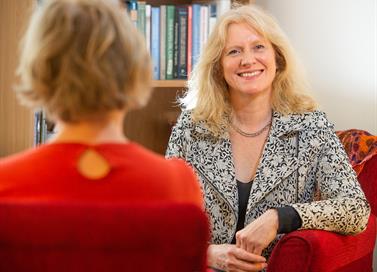
Family or individual counselling may be
helpful if focused on issues such as how to:
- respond to pain and other symptoms more effectively
- increase levels of physical and social activity
- manage depression, anxiety, lack of confidence and poor
motivation
- deal with family relationship difficulties when these become
part of the problem.
|