Improving the lives of people with mental illness




Latest news

RCPsych President responds to PM's announcement on reform of the fit note process
We are disappointed that the Prime Minister used his speech to conflate those suffering with a mental illness with a ‘sick note culture’. This language dismisses the reality of mental illness, which is concerning given the associated poor quality of life and increased mortality rates.
More information
UPDATED: Changes to NHS Practitioner Health in England
The College has responded to news that NHS England has overturned its decision to restrict the provision of NHS Practitioner Health Service for secondary care staff in England.
More information
College responds to final report from Dr Hilary Cass OBE
Dr Lade Smith CBE, President of the Royal College of Psychiatrists, has provided an initial response to the independent review of gender identity services for children and young people, chaired by Dr Hilary Cass.
More informationKey resources for all psychiatrists








Key resources for trainee psychiatrists


Mental Health
Mental illnesses and mental health problems
Read our award-winning information about mental illnesses and mental health problems.
Read moreSupport, care and treatment
Information about treatments for a range of mental health conditions.
Read moreYoung people's mental health
Information written for young people and parents, about young people's mental health concerns.
Read moreFrequently asked questions
What to do if you need urgent help, how to see a psychiatrist, and other questions.
Read more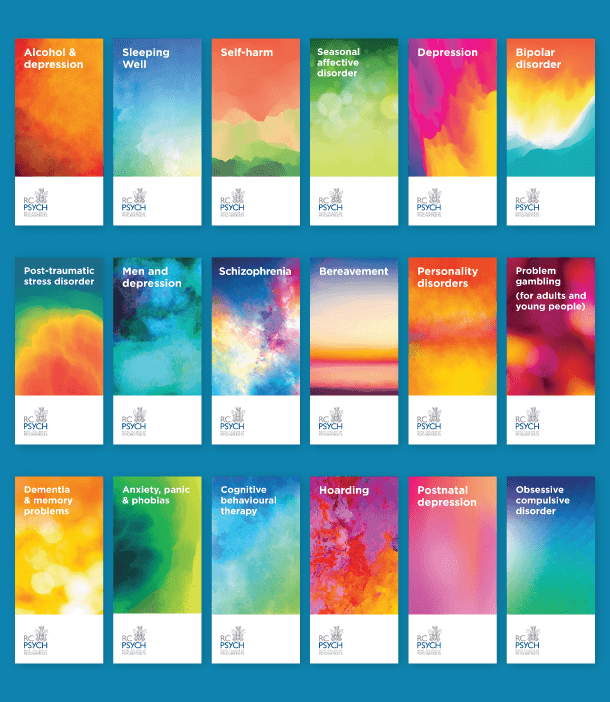
Order our leaflets
Order our award-winning mental health leaflets - written by doctors for patients and carers.
Order our leaflets