
Reflecting on Global Trauma: How Psychiatrists Can Support Those Affected
23 July, 2026
RCPsych in Scotland Chair, Dr Jane Morris, and Policy Lead, Dr Jim Crabb reflect on global trauma and the role psychiatrists can play in supporting those affected.
At the heart of the College’s International Congress in Liverpool was a session on the effects on children of international war and genocide. The Chair asked the packed audience to raise a hand if they or loved ones currently lived in a place suffering such trauma. There was an overwhelming forest of hands. Next, she asked whose childhood had been lived in such traumatic environments. More than 90% of our colleagues quietly lifted their hands.
Then we heard from eyewitnesses, survivors and heroes about effects on young minds, relationships and future consequences.
We met young trainees driving ambulances through battlegrounds and holding school lessons in their wards. As psychiatrists they were able to consider the mental meaning of being orphaned, displaced, buried under rubble, witnessing the suffering and death of family and friends, of the internalised shame of amputations and scarring from burns.
We heard about children’s anger and shame towards previously respected adults; humiliated by enemy soldiers and who were unable to protect the young, and of the defensive rage driving some to make primitive sense of their world in ways that may see them labelled as ‘terrorists.’
We heard of children kidnapped by invaders, adopted into ‘enemy’ communities, stripped of their original names and loyalties, and forced to fight against their people of origin.
Psychiatrists – and Greek tragedians – are needed to make sense of these horrors, in the service of reparative futures.
We would not have chosen careers in Psychiatry if we were not the sort of people who yearn to offer direct help. Most of us though lack the language skills, the cultural authority and the transcendent courage to integrate our expertise in zones of war which also urgently need food, shelter and medicine. Our contributions need to resist narcissism above all else.
What can we do?
Perhaps our role starts through taking on remote mentoring or through individual financial contributions to respected charities. The courage we need might sometimes be political, involving calls to – above all else – stop war.
At the College in Scotland, we are increasingly hearing from Scottish members about international warfare and genocide.
We have seen the suffering of colleagues whose families are cut off from them by overseas conflicts. It’s been moving to witness that for many colleagues, support for others has been key to their own psychological survival in the face of trauma.
Learning from international colleagues and partners
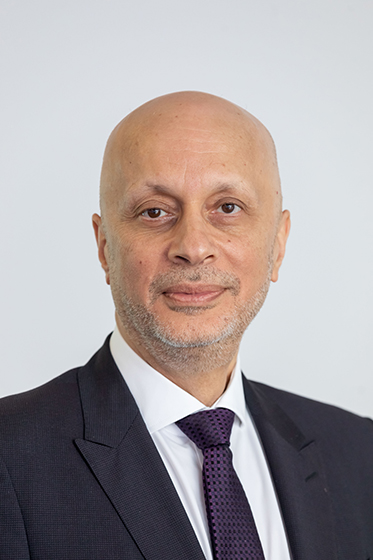
Professor Mohammed Al-Uzri
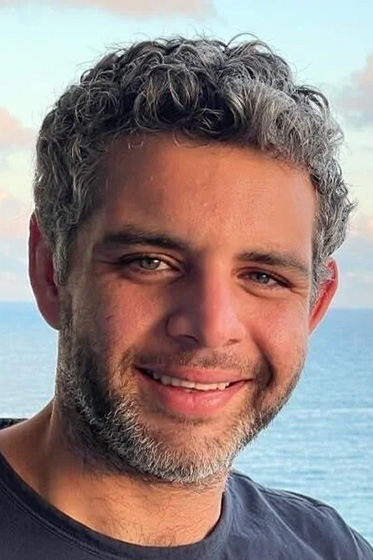
Dr Mostafa Shalaby
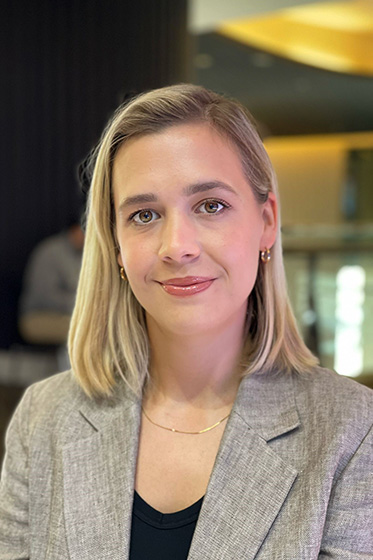
Agnes Raboczki
Meanwhile we understand the yearning of generous Members, Fellows, and Trainees who long to help but struggle to find the right channels to do so. We have therefore turned to other Scottish academic and medical Institutions for advice, and to those working centrally within our own College.
The Royal College of Psychiatrists is not an English or even ‘four nation’ institution, but increasingly an international one. We were fortunate to consult with two authoritative College voices in this field:
Professor Mohammed Al-Uzri, College Lead for Global Mental Health, provided an impressive overview of his work and signified his willingness to reach out to all UK Divisions and Nations to discuss what is going on.
We were also joined by Dr Mostafa Shalaby, Chair of the Volunteering and International Psychiatrists Special Interest Group (VIPSIG).
Whilst these are distinct branches of College work, the two leaders operate (and co-operate) in the context of College values and of some guiding principles:
- 'Ownership' of projects lies with the people in need rather than with us.
- Projects are never a matter of one off 'parachuting’ – they involve planning and readiness, then follow up and evaluation.
- 'Sustainability ' in every sense is key.
- Work is integrated with that of fellow stakeholders (other medics, social care).
A third key player is Agnes Raboczki.
Agnes has just returned from maternity leave to resume managing the College's international affairs. In the field of international communications and travel, advice and regulations can change from day to day: Agnes is indispensable in steering us through the regulations, registrations and advice concerned.
Join the conversation
We have resolved to bring international awareness into our Scottish Events programme and are keen to invite Mohammed, Mostafa and Agnes to help Scotland join existing alliances in world psychiatry. We would strongly encourage individual or joint Faculty conferences to consider making space for this topic with a focus on their own speciality. We are happy to link Faculty organisers with excellent and expert speakers from both within Scotland and further afield.
Many of you have attended sessions of the Chair’s drop-in series of Thursday lunchtime online meetings. These are held monthly during termtime to hear directly from Scottish psychiatrists of any grade – and from students. We’re planning the first ever Chair's Drop-in on World Trauma on Thursday August 13th from 1 – 2pm. This will be a preliminary session to hear what you need and what ideas you have on helping and getting help. Please register to attend and encourage colleagues and trainees to join too.
Ways to get involved
We are keen to strengthen the role of Scottish psychiatry in nurturing international mental health and to welcome the engagement of International members. We also need to support international medical graduates in Scotland who find themselves traumatised by wars and disasters in their native lands or by isolation and cultural challenges here.
The following channels can help Scottish colleagues put their compassion into action:
Members who would like to know more or share knowledge about volunteering can register with VIPSIG.
There is a separate College Volunteer Scheme involving specific projects and requiring separate registration Volunteering internationally. Whilst only a few of us will usefully travel abroad or work in situations of high physical risk there are other opportunities including online teaching, support, mentoring and designing training packages.
Scotland has schemes that support overseas doctors – not necessarily psychiatrists – to learn and refine their English language skills. You can volunteer to teach medical English to refugee health professionals in Scotland through specialized support organizations like the Bridges Programmes Refugee Doctors Programme. The College also has guidance: Working Group on the Health of Refugees and Asylum Seekers
We know some colleagues carry the legacy of childhood trauma, and many are currently experiencing the indirect trauma of having lost touch with loved ones still in war torn countries or places of genocide. Diaspora groups can help reconstruct a network to find news, restore community and provide mutual emotional support. The College’s dedicated Diaspora Groups Committee advises on international policy, supports International Medical Graduates and features representatives from independent diaspora organizations both in the UK and globally. Its newest member is the Nigerian psychiatrists in the UK.
I’d like to call your attention to the Psychiatrists' Support Service (PSS) which is a confidential service that is delivered by trained Peer Support Psychiatrists (College Members). It is available for all psychiatrists who may be experiencing difficulties.
Do not forget you can give money! Alex Duffety, who masterminds College Finance always reminds us that spending money equates to the expression of values. Our College, unlike the older institutions, does not have great hereditary wealth, and our Treasurer Ian Hall works hard to keep subscription rises below inflation. It is up to us individually – or by projects such as sponsored runs – to donate to reputable disaster charities. The College invites us to donate, if we can, to the Disasters Emergency Fund.
Dr Jane Morris, Vice President, College and Chair, RCPsych in Scotland
Dr Jim Crabb, Policy Lead RCPsych in Scotland