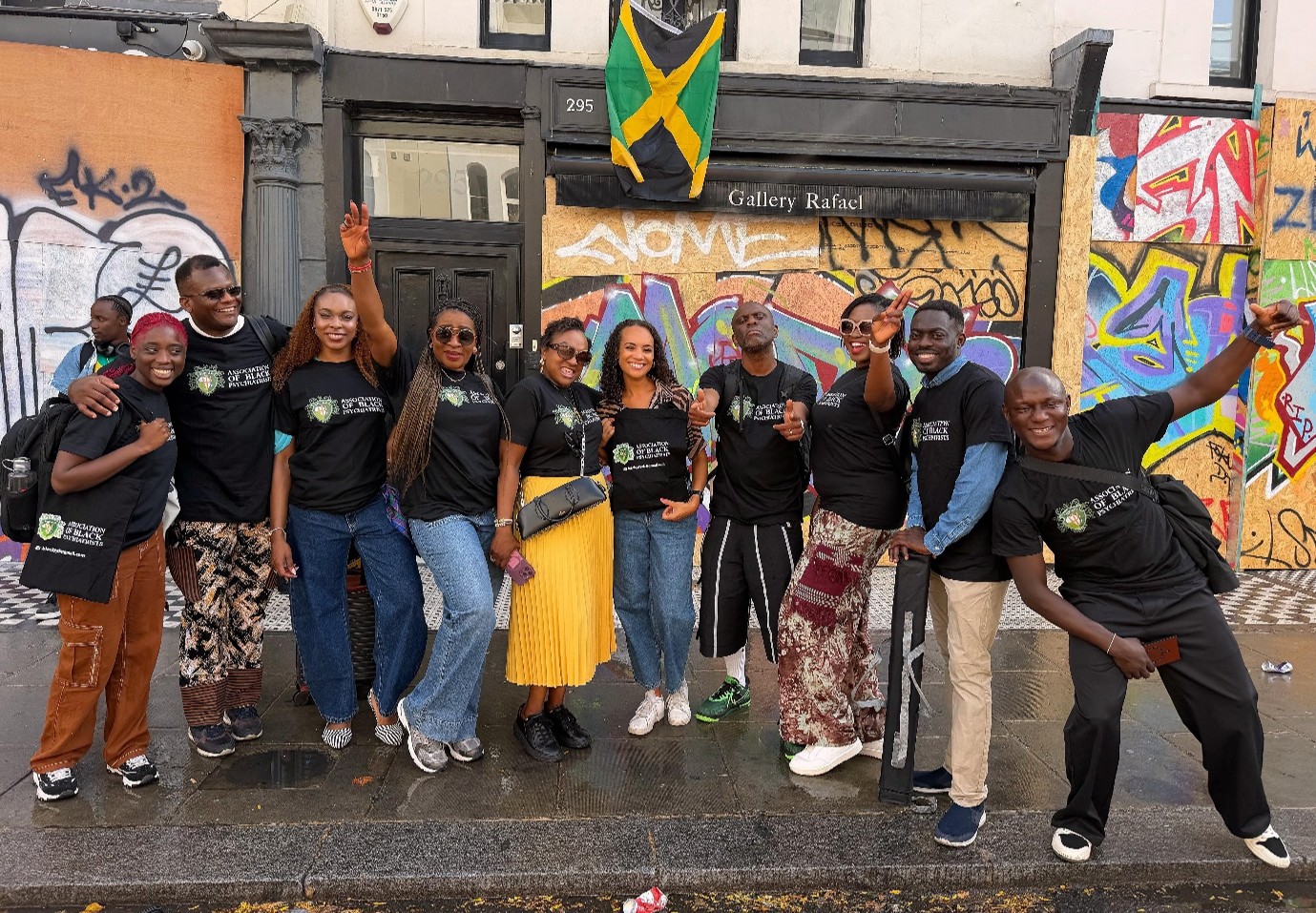
Meeting people where they are: ABPUK’s mental health outreach at Notting Hill Carnival 2026
01 October, 2026
This blog post, written by a team from the Association of Black Psychiatrists UK, is part of our Black History Month content for 2026.
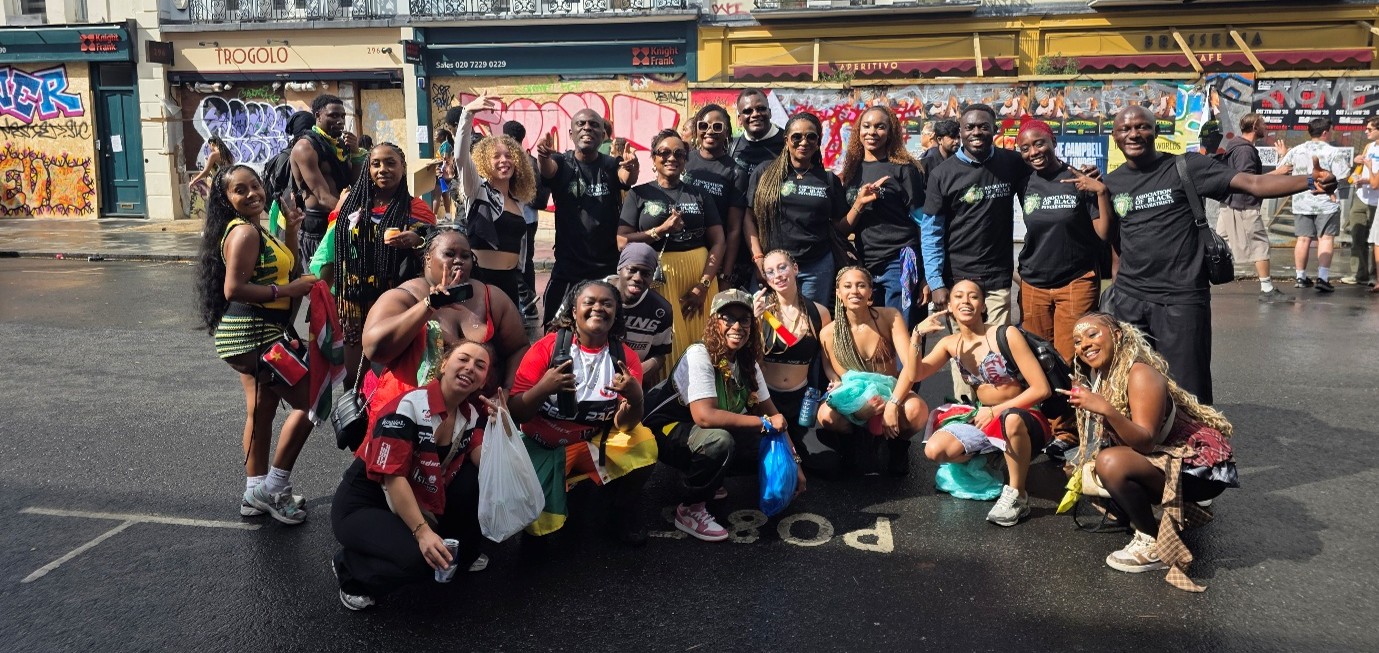
The 2026 Notting Hill Carnival marked a significant milestone, celebrating its 60th anniversary as one of the world's largest street festivals and a powerful expression of Black British culture, heritage, identity and resilience. Amid the sounds of steel pans, music systems, dancing and celebration, members of the Association of Black Psychiatrists UK (ABPUK) took to the streets with a simple but important message: your mental health matters. Drawing on reflections from ABPUK members who participated in the outreach initiative, this article highlights the impact of ABPUK's presence at Carnival, the conversations it sparked, and our commitment to continuing meaningful engagement across the diverse communities we serve across the UK.
Who we are: The Association of Black Psychiatrists UK
The Association of Black Psychiatrists UK is a professional organisation that brings together Black psychiatrists working across the United Kingdom. We are committed to promoting excellence in psychiatric practice, supporting the professional development of Black psychiatrists, advocating for equitable mental healthcare, and improving mental health outcomes within Black and other underserved, ethnically diverse communities.
Our work extends beyond clinical settings. ABPUK recognises that mental health is influenced by culture, identity, community, social experiences and representation. As such, we seek opportunities to meet and honour communities where they are, creating spaces where conversations about mental wellbeing can happen naturally, comfortably and without stigma.
The Notting Hill Carnival outreach initiative exemplified this approach. Alongside encouraging people to access mental health services, we brought mental health awareness directly into a community setting that reflects the diversity of modern Britain, creating opportunities to engage people from a wide range of backgrounds in conversations about wellbeing and mental health.
Taking mental health into the heart of the community
For many ABPUK members, participating in Carnival outreach was both professionally rewarding and personally meaningful. What became apparent throughout the weekend was the importance of bringing mental health conversations into culturally relevant spaces.
Carnival offered a unique environment in which psychiatrists could engage with Carnival-goers outside traditional healthcare settings. Instead of consulting rooms and clinics, conversations took place amid music, dancing, photographs, cultural performances and shared celebrations. The informal atmosphere helped break down barriers that can sometimes make mental health discussions feel intimidating.
Several participating psychiatrists reflected on how meaningful it was to celebrate alongside the community while also promoting awareness of mental wellbeing. By participating fully in the festivities, members of ABPUK demonstrated that psychiatrists are not distant professionals removed from community life, but individuals who share the same cultures, traditions, joys and experiences as the people they serve.
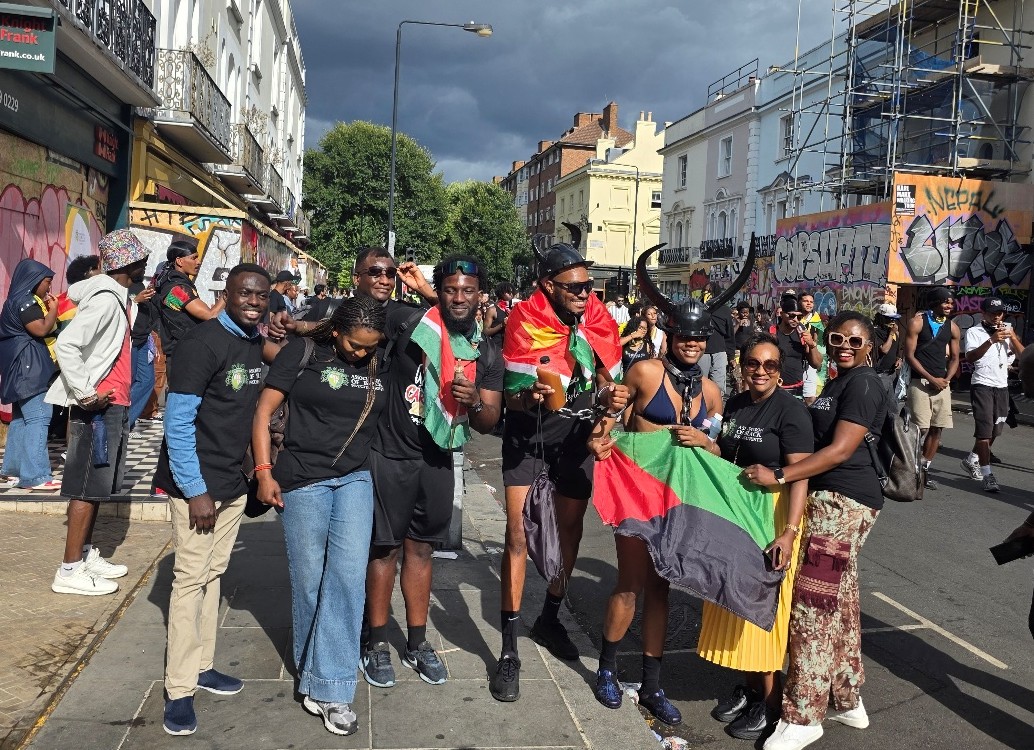
Representation, connection and community engagement
One of the clearest lessons from ABPUK's outreach at Notting Hill Carnival was the power of visibility and culturally meaningful engagement. Many Carnival-goers approached outreach team members after noticing ABPUK-branded clothing and banners, often curious about who we were, what we did and why Black psychiatrists were present at Carnival. These encounters quickly developed into wider conversations about mental health, wellbeing and sources of support.
For many people, simply seeing a visible group of Black psychiatrists was significant. People attending the Carnival expressed surprise and appreciation for meeting Black mental health professionals, often speaking about the importance of accessing practitioners who understand their cultural experiences and perspectives. ABPUK's presence helped challenge perceptions that mental health services are distant, inaccessible or disconnected from the diverse communities they are intended to serve.
The outreach also showed that conversations about mental health flourish when people feel comfortable, respected and culturally understood. Carnival participants were overwhelmingly positive and receptive, engaging openly in discussions about emotional wellbeing, psychiatric services and routes to support. Outreach team members found that shared cultural understanding often helped build trust, reduce stigma and encourage honest dialogue. Far from being reluctant to discuss mental health, many Carnival-goers demonstrated genuine curiosity and a desire for greater information and support.
Importantly, the engagement was not one-way. While ABPUK volunteers raised awareness and provided signposting, they also gained valuable insights into the strengths that already exist within communities. The Carnival highlighted the important role of music, dance, faith, food, art and cultural expression in fostering belonging, resilience and wellbeing. More than a social event, it served as a celebration of identity, heritage and collective strength, reinforcing the close relationship between culture, community and mental health.
The informal setting also enabled connections with individuals who might not otherwise engage with mental health services. Community members sought advice, requested contact details, explored opportunities for collaboration and expressed support for the initiative. Outreach team members additionally connected with mental health professionals, psychotherapists, nurses and community advocates, creating opportunities for future partnership-building, including around migrant and refugee mental health.
A foundation for future engagement
While the outreach was widely viewed as a success, ABPUK members identified several opportunities to strengthen future initiatives. A common recommendation was the development of additional educational materials, including leaflets, QR codes and signposting resources that Carnival-goers could access during and after the event. Information on common mental health conditions, support pathways, addiction services and community resources could help extend the impact of outreach conversations beyond Carnival weekend.
Many participants also suggested establishing a dedicated outreach stand along the Carnival route to facilitate longer, more in-depth conversations. There was strong support for expanding partnerships with trusted community spaces, including barbershops, faith organisations, community groups and Carnival's year-round networks such as mas camps, steel bands and sound systems. These established spaces could provide opportunities for regular wellbeing workshops, community discussions and mental health check-ins throughout the year.
ABPUK members also highlighted the potential for training and supporting community leaders, organisers and cultural ambassadors to act as mental health advocates within their own networks. Equipping trusted community figures with basic mental health first aid and clear referral pathways could strengthen local support systems and encourage earlier access to professional help when needed. There was further recognition of the value of building a stronger evidence base for community outreach. Collecting feedback and evaluating the impact of initiatives such as this could help demonstrate their effectiveness, inform future service development and support the case for wider investment in culturally responsive, community-based mental health programmes.
Most importantly, the outreach reinforced that engagement should not be limited to annual events. Carnival successfully opened the door to important conversations, but the greatest opportunity lies in sustaining those connections through ongoing partnerships, regular community engagement and continued collaboration with cultural organisations throughout the year.
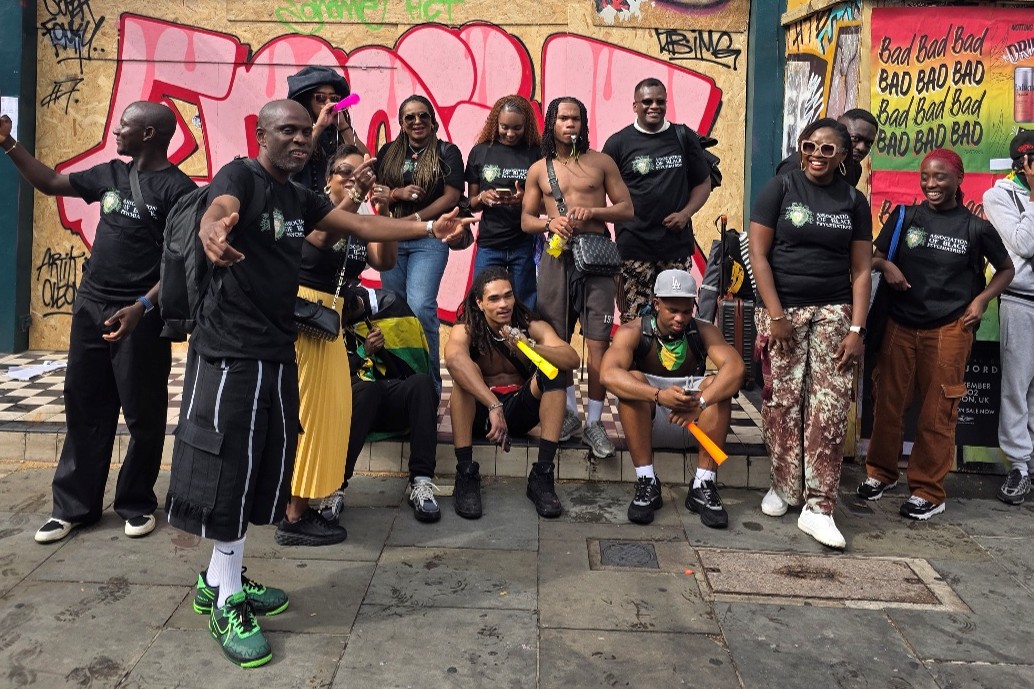
Looking ahead: building on success
The reflections gathered from ABPUK members highlight a simple but important lesson: when mental health professionals engage with people in trusted community spaces, meaningful conversations follow. At Notting Hill Carnival 2026, ABPUK helped make mental health visible, approachable and relevant, while challenging stigma, raising awareness and building new connections.
As we celebrate Black History Month, this outreach reminds us that representation, visibility and genuine community engagement remain essential to improving mental health awareness and access to support. The conversations that began at Carnival should not end there. They must continue through ongoing engagement with communities, cultural organisations, places of worship, schools, community centres and healthcare settings.
ABPUK remains committed to listening, learning and working alongside communities to promote culturally informed approaches to mental health and wellbeing. The message from Carnival was clear: people value representation, want accessible information and are willing to engage in conversations about mental health when given the opportunity. Our task now is to build on that momentum and ensure those conversations continue. After all, there is no health without mental health.